Category: Uncategorized

  • The Basel III Effect: Why Banks Are Selling Cheap (And Why It Won’t Last)

    The Basel III Effect: Why Banks Are Selling Cheap (And Why It Won’t Last)

    It’s Not a Crash. It’s Compliance.

    If you look at the sheer volume of assets banks are auctioning, you might think the real estate market is in trouble. It’s not. The banks are just cleaning house.

    The driving force behind the current wave of auctions isn’t a lack of demand—it’s a global regulation called Basel III.

    The “Expensive” Asset

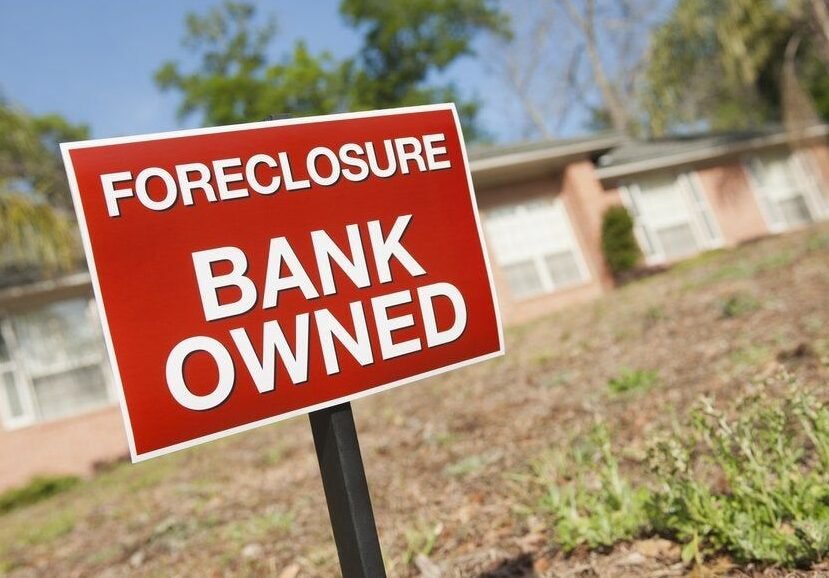
    Banks are in the business of lending money, not owning houses. Under strict Basel III regulations, ROPA (Real and Other Properties Acquired) is considered a “high risk” asset.

    Holding a foreclosed property attracts a 150% Risk Weight. This means for every 10M property sitting on a bank’s books, they have to lock up a massive amount of capital that cannot be used for lending. Holding properties costs banks money.

    The Buyer’s Window

    Because banks are motivated to “clean their balance sheets” to improve their Capital Adequacy Ratio (CAR), they are motivated to sell.

    • They aren’t looking for maximum profit; they are looking for liquidity.
    • This creates a pricing disconnection where assets are sold below market value just to move them off the books.

    The Window Won’t Stay Open

    Once the banks hit their target ratios, the pressure to sell eases, and prices will normalize. The aggressive terms we see today—low down payments, fixed rates—are a symptom of this specific regulatory moment.

    Smart money is buying now, while the banks are motivated sellers.
  • Flipping ROPA: How to Turn a Bank Asset into Profit

    Flipping ROPA: How to Turn a Bank Asset into Profit

    The Art of the “Ugly” House

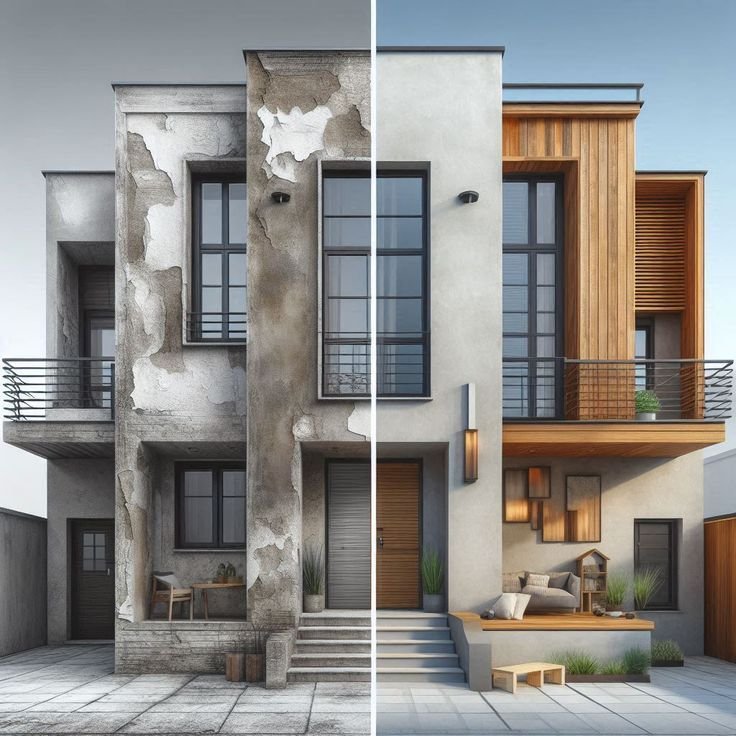
    Most buyers want a move-in ready home that smells like lavender. Investors want the ugly house.

    Flipping ROPA (Real and Other Properties Acquired) is one of the fastest ways to build capital in Philippine real estate, provided you understand the math.

    The Golden Formula: Buy Low, Renovate Smart

    Bank assets are sold “As-Is, Where-Is”. This scares away retail buyers, which lowers the competition. This is your advantage.

    The Math of a Flip:

    1. Acquisition Cost: The Hammer Price at auction.
    2. Holding Cost: The “Association Dues” and taxes you pay while fixing it.
    3. Renovation Cost: The paint, tiles, and roof repairs.

    If you buy a property at 3.0M (market value 5.0M) and spend 500k on repairs, you have created 1.5M in equity.

    Inspecting the “Bones”

    Because the bank declares that “inadvertent misprints shall not alter the property’s factual condition”, Due Diligence is non-negotiable. Before the auction, bring a contractor. Ignore the peeling paint (that’s cheap). Look at the Structural Integrity:

    • Is the roof sagging?
    • Is there water damage on the ceiling?
    • Is the title consolidated?

    Cash is King (But Terms are Queen)

    While flipping usually requires cash, the bank’s offer of 10% fixed rates for up to 5 years allows you to leverage. You can secure the property with just 20% down, use your cash for the renovation, and sell the property before the loan term matures.

    Find Your Next Project

    Check our catalog for “Fixer Uppers” in high-growth areas like Rizal and Cavite.

  • The OFW Strategy: Investing in Philippine Real Estate Without Flying Home

    The OFW Strategy: Investing in Philippine Real Estate Without Flying Home

    Build Your Retirement Portfolio Before You Buy Your Plane Ticket

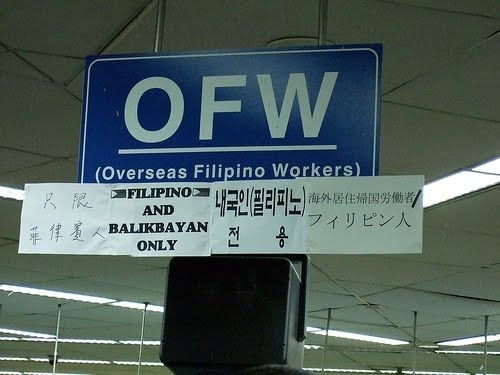
    For most OFWs, the dream is simple: work hard, save dollars, and retire back home with passive income. But usually, buying property while abroad is a nightmare of embassies, consularized SPAs (Special Power of Attorney), and unreliable relatives.

    PropertyAuctions.ph changes the workflow. Here is how you can secure assets while still deployed.

    The “Remote Control” Auction

    In the past, if you weren’t physically in the hotel ballroom, you couldn’t bid. Today, our Hybrid Ecosystem allows you to watch the auction live from your phone in Dubai, Singapore, or London.

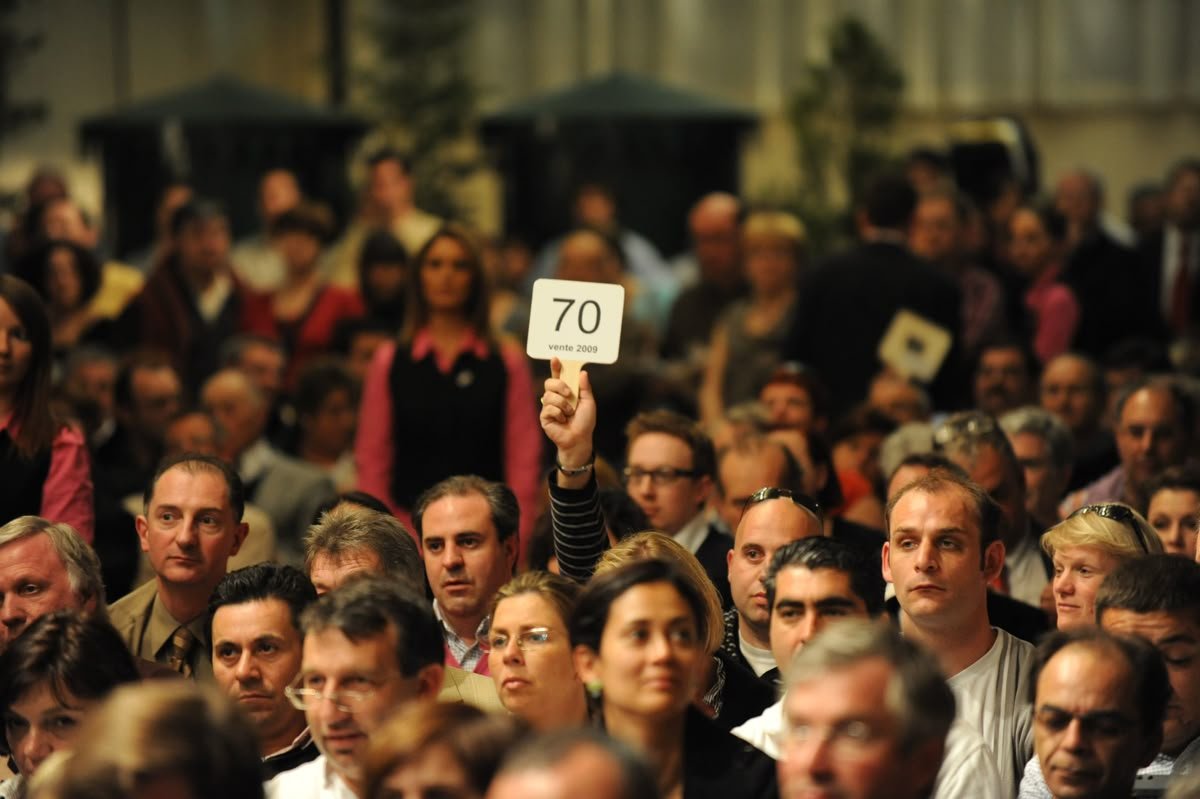
    While you will still need a representative on the ground to sign the final contract, the decision making stays in your hands. You see the bid price. You tell your rep when to raise the paddle. You control the budget.

    Why Foreclosures Suit the OFW Budget

    OFWs know the value of hard-earned money. You don’t want to pay inflated developer prices.

    • Low Entry Point: Bank assets often start at base appraisal values.
    • Installment Options: You don’t need full cash. You can pay the 20% down payment and finance the rest over 5-10 years. This matches perfectly with a monthly remittance budget.

    The “Representative” Requirement

    If you cannot be there personally, the bank requires your representative to bring a Letter of Authorization. This is simpler than a full Consularized SPA for the initial bidding phase, making it easier to get your foot in the door.

    Don’t Come Home to Nothing

    The best time to buy was yesterday. The second best time is the next auction.

  • Sealed Bids vs. Hybrid Bidding: Why One is a Trap and the Other is Fair

    Sealed Bids vs. Hybrid Bidding: Why One is a Trap and the Other is Fair

    The Anxiety of the “Drop Box”

    For decades, buying a foreclosed asset in the Philippines meant “Sealed Bidding.” You write a price on a piece of paper, put it in a sealed envelope, drop it in a box, and pray.

    • Did you bid too low? You lose the house.
    • Did you bid too high? You overpaid by millions.
    • It is a blind guessing game.

    Enter the Hybrid Auction Ecosystem

    PropertyAuctions.ph has killed the drop box. We operate on a Hybrid Model—a combination of a physical venue and live digital bidding.

    Why Hybrid Wins:

    1. Transparency: You hear the current bid. If the price is 5.0M, you know you only need to bid 5.1M to win. No more guessing.
    2. Access: You don’t need to be in the hotel ballroom. Whether you are an OFW in Dubai or an investor in Cebu, you can bid in real-time via our livestream technology.

    True Market Value: Sealed bids often result in assets selling below value (bad for banks) or buyers overpaying (bad for you). Live auctions find the true price.

    How to Participate If You Can’t Attend

    Can’t make it to the venue or the livestream? The old rules still offer a safety net. You can submit a sealed bid prior to the auction containing your Purchase Proposal, Client Information Sheet, and the PHP 25,000 Manager’s Check.

    But if you want the edge? Go Live.

  • The 25k Ticket: Understanding “Show Money” in Bank Auctions

    The 25k Ticket: Understanding “Show Money” in Bank Auctions

    Why Do I Need PHP 25k Just to Enter the Room?

    You’ve browsed the catalog. You’ve found a house in Antipolo you love. You check the requirements and see this rule in bold: “NO DEPOSIT, NO PARTICIPATION”.

    It intimidates many first-timers. Why does the bank need PHP 25,000 upfront? Is it a fee? Do you lose it?

    Let’s clear up the confusion.

    It’s Not a Fee, It’s a Filter

    The PHP 25,000.00 (Cash or Manager’s Check) is Show Money.

    • If you lose: You get the check back immediately. It costs you nothing.
    • If you win: It is deducted from your total purchase price.

    The bank requires this to ensure that everyone holding a paddle is a serious buyer. It prevents “joy bidders” from inflating prices artificially. When you bid at a PropertyAuctions.ph event, you know the person bidding against you has real skin in the game.

    What Else Do I Need to Bring?

    Aside from the deposit, compliance is strict but simple. To register, you must present:

    1. Proof of Income: This can be an ITR (Income Tax Return), Certificate of Employment, or Bank Statement.
    2. Authorization: If you are bidding for your spouse or a corporation, you must bring a Letter of Authorization.

    For Brokers: You must be present during the auction to be eligible for commission.

    Can I Bring Cash?

    Yes, the terms allow for PHP 25,000.00 Cash or Manager’s Check only. However, for safety and ease, we highly recommend a Manager’s Check payable to the bank.

    Ready to Bid?

    Don’t let the logistics scare you. The deposit is your ticket to a fair, transparent marketplace.

  • Stop Overpaying for Pre-Selling: Why Smart Money Buys “As-Is, Where-Is”

    Stop Overpaying for Pre-Selling: Why Smart Money Buys “As-Is, Where-Is”

    Stop Waiting 5 Years for Your Key: The Case for ROPA

    If you walk into a mall showroom today, a slick agent will try to sell you “air”. They call it Pre-Selling. You pay millions today for a promise that a building will exist in 2029.

    But in a high-interest environment, buying “future promises” is dangerous. Smart investors are pivoting to ROPA (Real and Other Properties Acquired)—commonly known as bank foreclosed assets.

    Here is why the “As-Is, Where-Is” model beats the “Pre-Selling” model every time.

    1. Price Per Square Meter (The Instant Equity)

    Pre-selling developers price their units based on future projected value. You are paying 2029 prices today.

    Bank auctions, however, are priced to recover exposure. This means you are often buying at market value or below, creating instant equity the moment you win the bid. You aren’t paying for a developer’s marketing budget; you are paying for the asset itself.

    2. Immediate Possession vs. Construction Delays

    With pre-selling, you are at the mercy of the contractor. Delays are common. With a bank auction, the asset exists. It has a roof, walls, and a Title. You can inspect it physically before you bid.

    Pro Tip: PropertyAuctions.ph strictly filters properties. While we sell “As-Is,” we prioritize assets with consolidated titles so you aren’t buying a legal headache.

    3. The Financing Secret: 10% Fixed Rates

    Many buyers assume foreclosures require 100% cash. This is false.

    Partner banks often offer competitive financing specifically for their acquired assets. Current auction terms allow for a 20% Down Payment with the balance payable for up to 5 years at a 10% fixed annual rate or up to 10 years at 12% fixed annual rate.

    Compare that to developer in-house financing, which can often balloon to 14% after the equity period.

    The Verdict

    Why pay a premium to wait 5 years? Join the next PropertyAuctions.ph Hybrid Event and bid on a home you can move into next month.